

Supply chain discussions tend to focus on routes, technology, inventory systems, and forecasting models.
All of that matters. None of it moves anything without drivers, warehouse operators, and loading crews.
Europe is currently discovering how sharply that dependency binds, and the numbers behind it are large enough to constrain economic activity rather than simply inconvenience individual businesses.
This guide looks at the workforce gaps running through Europe’s supply chain, what they actually cost businesses, and what a serious response looks like.
The Scale of the Gap
The shortage is not a marginal staffing inconvenience. It is a structural constraint measured in hundreds of thousands of positions.
- Europe carries one of the highest driver shortage rates globally, at roughly 13 percent, representing approximately 502,000 unfilled truck driver positions.
- The International Road Transport Union expects the global truck driver shortage to exceed 2.4 million by the end of 2026.
- Around 65 percent of European transport operators rank driver shortage as their single most pressing challenge.
- Roughly 40 percent of warehouse operators now rank labour scarcity as their single biggest operational risk, ahead of every other category.
These are not projections about a distant future. They describe current operating conditions.
What the Gap Actually Costs
Translating these figures into business consequences makes the stakes considerably clearer.
- Around two-thirds of European operators report turning down new contracts specifically because they cannot find enough drivers, meaning the shortage is directly capping revenue rather than only raising costs.
- Each unfilled position represents loads that do not move, delivery windows that slip, and a supply chain that loses resilience with every gap.
- Businesses further along the chain absorb the consequences even if they employ no drivers themselves, through delayed inputs and unreliable delivery timelines.
- Wage inflation follows scarcity, meaning the businesses that do fill positions increasingly pay more to do so.
Why This Is Demographic, Not Cyclical
This distinction determines whether waiting is a viable strategy, and the evidence is clear that it is not.
- The average age of an EU heavy goods vehicle driver is 47, with roughly one third of the active workforce over 55.
- This means a substantial share of the current workforce will retire within the coming decade, and the replacement pipeline is not close to matching the outflow.
- Changing workforce expectations among younger workers make long-haul driving less attractive than it was for previous generations, further constraining recruitment.
- A cyclical shortage corrects as wages adjust. A demographic one does not, because the people simply are not there to be attracted at any wage.
The Roles Under Most Pressure
The shortage is not evenly distributed, and knowing where it concentrates helps target a response.
- Long-haul drivers. The most acute shortage, worsened by the age profile and by the lifestyle demands the role involves.
- Warehouse operators. Broad and sustained demand, intensified by continued e-commerce growth.
- Loading and material handling crews. Physically demanding roles with high turnover, creating persistent replacement needs.
- Cold chain and specialist handling. Roles requiring specific certification or handling knowledge, where the qualified pool is smaller still.
How Businesses Are Actually Responding
The dominant adaptation across European logistics is structured international recruitment, and it is worth understanding both why and with what caveats.
- Logistics companies across Europe are increasingly building structured international recruitment pipelines, drawing from countries including India, Pakistan, Sri Lanka, Brazil, Turkey, and several nations in West and Central Africa.
- This reflects a recognition that domestic recruitment cannot close a demographic gap of this scale within any useful timeframe.
- However, the manner of recruitment matters enormously, and this is where a significant share of businesses are getting it wrong.
The Ethical Dimension Businesses Cannot Ignore
Reports from across Europe have documented serious problems in how some international recruitment is conducted, and these carry direct consequences for the businesses involved.
- Investigations in countries including Lithuania and the Netherlands have documented debt-based recruitment arrangements, unpaid wages, withholding of documents, and substandard living conditions among internationally recruited drivers.
- Beyond the human cost, these practices carry substantial legal, regulatory, and reputational exposure for the businesses connected to them.
- They also fail commercially. Workers recruited under exploitative arrangements leave at the first opportunity, which turns a retention problem into a permanent recruitment cost.
- Businesses that recruit through properly regulated, transparent channels avoid both the ethical failure and the commercial one.
This is a case where the responsible approach and the durable commercial approach point in the same direction.
What Responsible International Recruitment Requires
A few specific standards distinguish a legitimate process from a problematic one.
- No recruitment fees charged to the worker, since debt-based arrangements are the root of most documented abuses in this sector.
- Full legal documentation handled properly, including work permits and registered employment contracts, rather than informal arrangements.
- Transparent terms communicated clearly to the worker before departure, so expectations about pay, hours, and conditions match reality on arrival.
- Adequate accommodation and integration support, since worker retention depends heavily on the first few months.
- Documents remaining in the worker’s possession at all times, without exception.
Our recruitment process is structured around these standards, and our about page explains how we work with employers across Romania’s logistics and transport sector.
Why Technology Alone Does Not Close This Gap
Automation is frequently offered as the answer to supply chain labour shortages, and it helps, but not in the way the framing suggests.
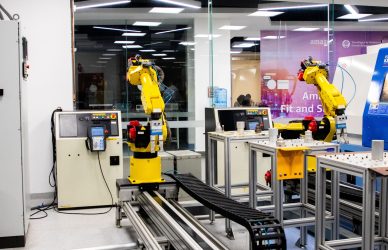
- Warehouse automation reduces the labour required per unit handled, but it also creates demand for technicians, system operators, and maintenance staff who are themselves in short supply.
- Autonomous long-haul transport remains limited in deployment and regulatory approval, meaning driver demand is not meaningfully reduced within the timeframe of the current shortage.
- Higher throughput enabled by automation frequently increases downstream labour needs in loading, sorting, and final delivery rather than reducing total headcount.
- Automation therefore changes the composition of the workforce needed more than it reduces the overall requirement, which does not resolve a shortage of this scale on its own.
Businesses treating automation as a substitute for workforce strategy typically find themselves short of both workers and technicians.
Building a Workforce Strategy for a Structural Shortage
Because the underlying cause is demographic, the response needs to be structural rather than reactive.
- Treat international recruitment as a standing capability rather than an emergency measure, since a relationship established in advance is what allows you to fill roles on a useful timeline.
- Invest genuinely in retention, since in a market this constrained, keeping a worker is considerably cheaper than replacing one.
- Plan around a multi-year horizon, given that the retirement wave driving the shortage is already underway and will continue for a decade or more.
- Recognise that competitors are drawing from the same constrained pool, which means the quality of your employment offer directly determines your access to workers.
Frequently Asked Questions
Will the driver shortage ease as wages rise? Only partially. Wage increases help attract available workers, but the underlying cause is demographic, meaning a substantial portion of the workforce is approaching retirement without a matching replacement pipeline.
Higher wages redistribute scarce workers rather than creating new ones.
Is international recruitment the only viable response? It is currently the dominant one across European logistics, given the scale of the gap. It works best combined with genuine retention investment, since recruiting workers who then leave quickly does not resolve the underlying constraint.
Does this shortage affect businesses that do not employ drivers directly? Yes. Businesses further along the chain absorb the consequences through delayed inputs, unreliable delivery windows, and rising transport costs, even when they employ no transport staff themselves.
How can a business be confident its international recruitment is conducted properly? Check the specifics: no fees charged to workers, registered employment contracts, transparent terms communicated before departure, and documents remaining with the worker.
These are the concrete markers separating legitimate recruitment from the practices that have drawn scrutiny across Europe.
Final Thoughts and Next Step
Europe’s supply chain runs on people, and the shortage of those people is now large enough to cap contracts, delay deliveries, and constrain growth across the continent.
The cause is demographic rather than cyclical, which means waiting is not a strategy. Businesses that build proper international recruitment capability, conducted to genuine standards, are the ones positioned to keep operating while competitors turn work away.
If your logistics or transport operation needs to build reliable recruitment capacity, register your company with Euro Job Services or contact our team to discuss your requirements.