


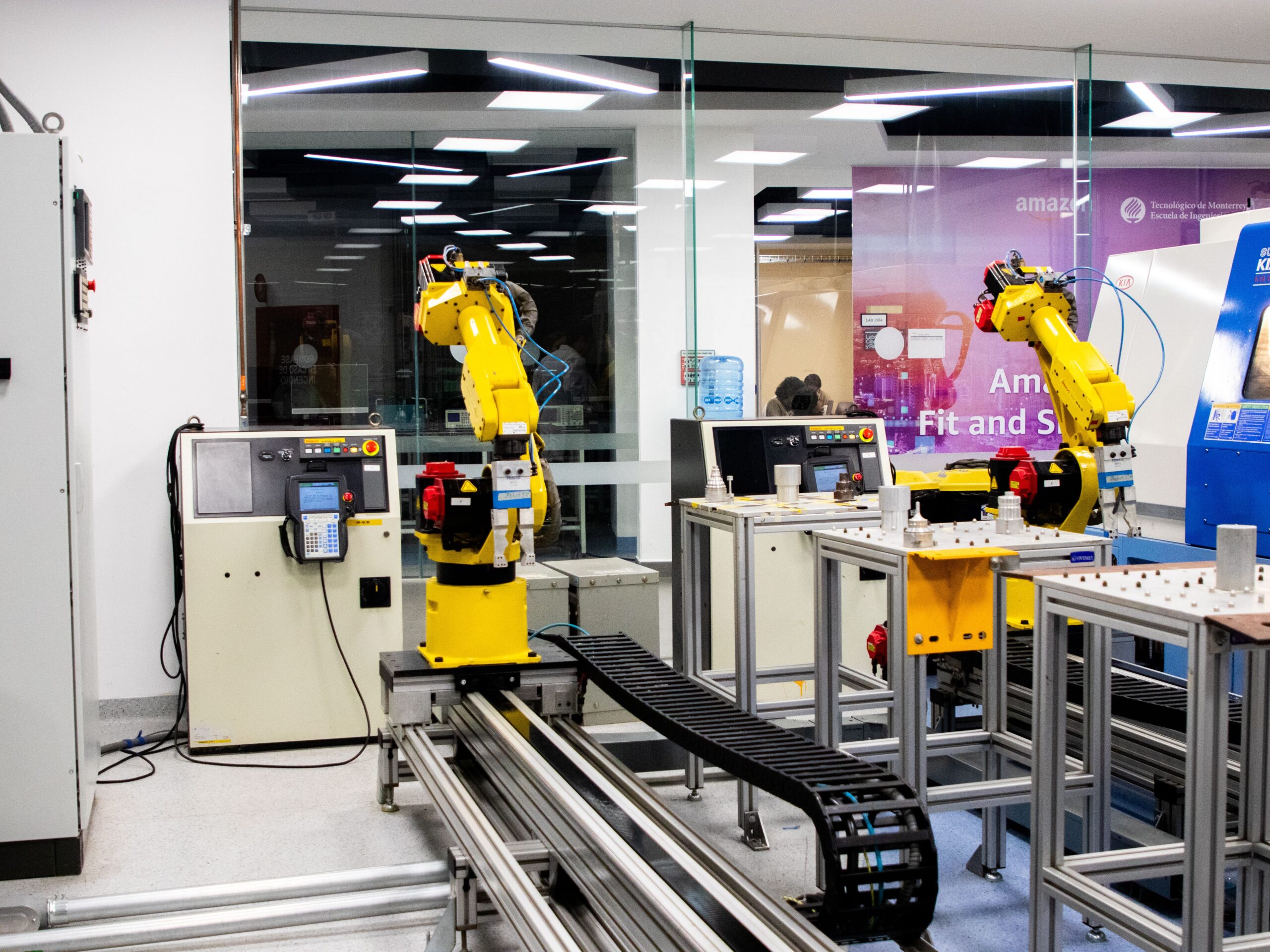
The assumption that automation shrinks headcount is intuitive, and it is frequently wrong. Across most industries, automation changes which roles a business needs far more than it reduces how many people it employs overall. For employers planning workforce strategy, understanding this distinction matters considerably more than the general anxiety around the topic suggests.
This guide looks at what the data actually shows about automation’s net employment effect, why automated operations often require more hiring rather than less, and how to plan a workforce strategy around that reality.
What the Global Data Actually Shows
Major workforce research consistently finds a net positive employment effect, even while acknowledging substantial displacement.
- Projections indicate that AI and related information processing technologies will create roughly 170 million new roles worldwide by 2030 while making around 92 million existing jobs redundant, a net positive of approximately 78 million roles.
- Earlier estimates using the same methodology found a smaller but still positive net effect, with roughly 97 million roles created against 85 million displaced.
- More than 75 percent of surveyed companies expect to integrate AI into their operations by 2030, spanning manufacturing, logistics, and finance among other sectors.
The headline finding is consistent across these projections. Automation displaces significant numbers of specific roles while creating a larger number of different ones.
Why Automated Operations Often Need More People, Not Fewer
The mechanism behind this net positive effect is worth understanding directly, since it shapes how a business should actually plan.
- Automated systems require people to install, configure, monitor, maintain, and repair them, work that did not exist before the automation was introduced.
- Automation typically increases output capacity, and higher output often requires more people across the surrounding operation, in logistics, quality control, and customer-facing functions.
- Removing routine tasks frees existing staff for higher-value work, which frequently expands what a business can take on rather than simply reducing its labor needs.
- Businesses that automate successfully often grow faster than competitors who do not, and growth itself generates hiring across the whole organization.
The Real Challenge Is Not Headcount, It Is Skills
This is where the genuine difficulty sits, and where most workforce planning goes wrong.
- Displaced roles are concentrated in routine, manual, and administrative work, held disproportionately by workers without advanced formal education.
- New roles require digital, analytical, and interpersonal skills that many displaced workers do not currently have.
- Roughly 91 percent of surveyed employers expect demand for AI and big data skills specifically to rise, with technological skills projected to grow faster than any other category.
The result is not a shortage of jobs. It is a mismatch between the roles disappearing and the roles appearing, which creates a hiring problem for employers even while total employment grows.
What This Means for Employers Planning Ahead
Translating this into practical workforce planning produces a few clear implications.
- Planning for automation as a headcount reduction exercise frequently understates the hiring you will actually need afterward, particularly in maintenance, oversight, and expanded operational capacity.
- The bottleneck for automating businesses is increasingly the availability of workers with the right skills, not the cost of the technology itself.
- Industries with high task routineness, including manufacturing, logistics, and administrative functions, face displacement rates above 50 percent for currently performed activities, meaning the composition of these workforces will shift substantially even where total employment holds steady or grows.
The New Roles Automation Actually Creates
It helps to be specific about what these emerging roles actually look like, since “new jobs” in the abstract is difficult to plan around.
- Equipment maintenance and technical support. Skilled technicians who keep automated systems running, one of the most immediate and reliable hiring needs any automation project generates.
- System monitoring and oversight. Workers who watch automated processes, interpret alerts, and intervene when something falls outside expected parameters.
- Quality control at higher volume. Increased output typically requires proportionally more quality assurance, not less, since more units means more inspection.
- Expanded logistics and fulfillment. Higher production capacity flows downstream into warehousing, packing, and distribution needs that scale with output.
- Process improvement and data roles. Automated systems generate operational data, and someone needs to use that data to keep improving throughput.
Mapping these specific categories against your own planned automation gives you a far more accurate hiring forecast than a general assumption about headcount going up or down.
Building a Workforce Strategy Around This Reality
A structured approach helps businesses capture the growth automation enables rather than being constrained by the skills gap it creates.
- Map which specific tasks in your operation are genuinely automatable, separating them from the roles that contain them, since most roles contain a mix of automatable and non-automatable work.
- Identify the new roles your automation will actually require, including technical maintenance, system oversight, and the expanded downstream capacity that higher output creates.
- Assess your existing workforce for who can realistically be reskilled into these new roles, since internal transition is usually faster and cheaper than external hiring.
- Plan external recruitment specifically for the skills you cannot fill internally, recognizing that these are frequently the scarcest skills in the local labor market.
- Build recruitment lead time into your automation timeline, since the workers you need for a newly automated operation are rarely available on short notice.
Why the Skills Bottleneck Points Toward Cross-Border Recruitment
The specific nature of this gap explains why local hiring alone frequently cannot resolve it.
- The technical and maintenance skills automated operations require are exactly the skills already in shortest supply across European labor markets.
- Local training pipelines for these skills have not kept pace with demand, meaning waiting for the local market to supply them is often not a viable timeline for a business mid-automation.
- Cross-border recruitment can access labor markets where specific technical skills remain more available, closing the gap on a timeline that matches an actual automation project rather than a multi-year training cycle.
- Our recruitment process is built around sourcing for specific skill requirements rather than general headcount, which matters considerably when the gap is capability rather than raw availability.
Common Mistakes Businesses Make Around Automation and Staffing
A few recurring errors cause businesses to either under-hire or hire for the wrong things during an automation transition.
- Treating automation purely as a cost reduction exercise. This frames every hiring need afterward as a failure, rather than as the expected consequence of expanded capacity.
- Underestimating maintenance and oversight requirements. Automated systems need skilled attention continuously, not only during installation.
- Planning recruitment after automation is already installed. By that point the skills gap is already blocking the operation, when it could have been addressed during the planning phase.
- Assuming displaced workers can transition without support. Reskilling works, but it requires deliberate investment rather than expecting workers to adapt on their own.
Frequently Asked Questions
Does automation really create more jobs than it eliminates? Major workforce projections consistently find a net positive effect globally, with substantially more roles created than displaced. However, the created and displaced roles are different, which creates a genuine transition challenge even where total employment grows.
Which sectors face the most disruption to their existing roles? Industries with high task routineness, particularly manufacturing, logistics, and administrative functions, face displacement rates above 50 percent for activities currently performed, even where overall employment in those sectors remains stable or grows.
Should a business hire before or after installing automation? Planning recruitment during the automation project, rather than after installation, generally works better, since the technical skills required are frequently scarce and take time to source through any channel.
Is it more cost-effective to reskill existing workers or hire new ones? Reskilling is usually faster and cheaper where the gap is modest and the worker is already familiar with your operation. External recruitment tends to be necessary where the required skill is genuinely specialized and cannot realistically be built internally within your project timeline.
Final Thoughts and Next Step
Automation reshapes what a workforce looks like far more than it shrinks it. The evidence points toward net job creation, with the real difficulty being a mismatch between disappearing and emerging roles rather than a shortage of work. Businesses that plan for the skills they will need, rather than only for the headcount they expect to reduce, capture the growth automation enables instead of being limited by the gap it creates.
If your business is planning an automation transition and needs to source specific technical skills, register your company with Euro Job Services or contact our team to discuss your specific requirements.