


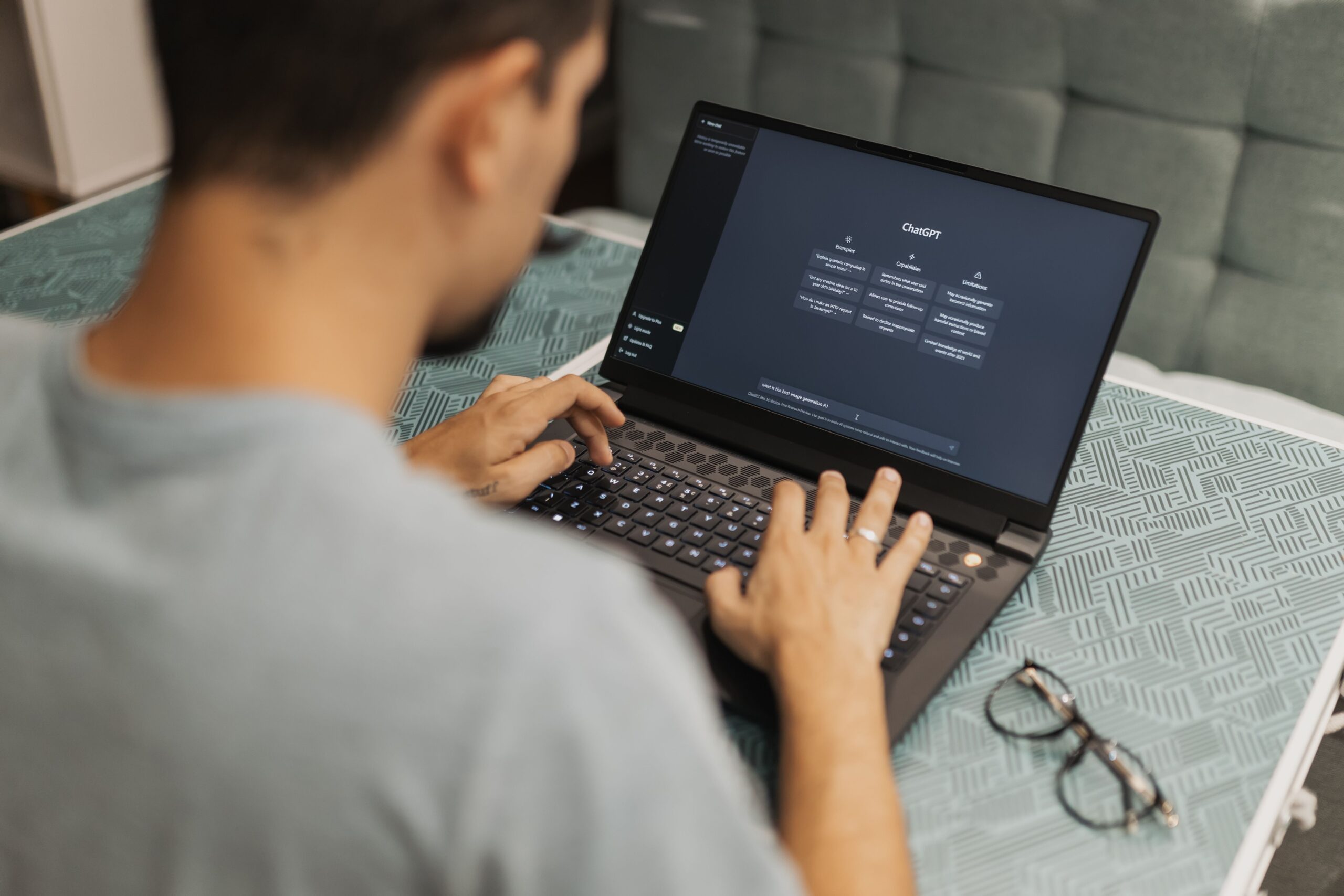
Artificial intelligence has moved from a buzzword to a genuine force in how companies hire. It now helps source candidates, screen applications, and match people to roles at a speed and scale no human team can match. For employers, understanding what AI can and cannot do in recruitment is becoming essential, since it changes both what is possible and what good hiring practice looks like.
This guide explains how AI is changing recruitment, the benefits it brings, the real risks to manage, and why human judgement still matters.
What AI in Recruitment Actually Means
The term covers a range of tools, and understanding them clarifies the picture.
- AI in recruitment refers to tools that automate or assist parts of the hiring process, from sourcing to screening to matching.
- Rather than replacing recruiters, it typically handles the high-volume groundwork that consumes their time.
- It ranges from tools that suggest actions to more advanced systems that carry out sequences of tasks.
- The strongest results come from using AI across several stages while humans own strategy, relationships, and final decisions.
Faster, Wider Sourcing
One of the clearest changes is in how candidates are found.
- AI reads a role and surfaces the best-fit candidates automatically, including passive ones already in a database.
- This replaces slow manual searching with fast, intelligent matching across a much larger pool.
- AI sourcing has been shown to cut sourcing time substantially while expanding the range of candidates reached.
- For employers, this means finding more suitable candidates, faster, than manual methods allow.
Smarter Screening
AI has also transformed the screening stage, where volume is often the bottleneck.
- AI can parse applications at a scale no human team can match, identifying qualified candidates by skills and experience.
- It ranks candidates against defined criteria, streamlining the shortlisting that otherwise takes enormous time.
- Modern tools reach high accuracy in parsing applications and matching skills to requirements.
- This frees recruiters from sifting through unsuitable applications and lets them focus on genuine candidates.
Better Candidate Matching
Beyond speed, AI improves the quality of the match between person and role.
- AI tools now perform stronger contextual analysis, matching a candidate’s abilities and experience to a role more precisely.
- A majority of businesses using AI report that it matches candidates more accurately than previous methods.
- Better matches have real benefits, including improved productivity and reduced turnover.
- For employers, a more accurate match means hires who fit better and stay longer.
The Shift Toward Autonomous Tools
A defining recent change is worth understanding, since it points to where things are heading.
- The shift is from assistive AI that suggests actions to more autonomous systems that carry out sequences of tasks.
- These can handle steps like sourcing, screening, outreach, and scheduling with less manual triggering.
- This promises further efficiency, but also raises the importance of oversight, since more is happening automatically.
- Understanding this direction helps employers adopt AI thoughtfully rather than being caught unprepared.
The Real Risks to Manage
An honest view must address the genuine risks, since AI in recruitment is not without danger.
- AI trained on historical hiring data can absorb and scale existing biases, disadvantaging qualified candidates from some groups.
- Bias can enter through the training data, the scoring rules, or how a team applies the outputs.
- Over-reliance on AI outputs, treating them as answers rather than recommendations, can lead to poor or unfair decisions.
- These risks are real, but they are manageable with the right approach rather than reasons to avoid AI entirely.
Where AI Helps Most in Practice
AI delivers the clearest value in specific situations, which helps employers apply it sensibly.
- In high-volume hiring, where hundreds of applications arrive, AI screening saves enormous time while keeping quality consistent.
- In reaching passive candidates, AI can surface suitable people who are not actively applying but are a strong fit.
- In repetitive administrative tasks, such as scheduling and initial outreach, AI removes work that adds little human value.
- In these areas the efficiency gain is large and the risk is manageable, which makes them sensible places to start.
Where Caution Is Most Needed
Equally, there are points where AI should be applied most carefully.
- Final hiring decisions should stay with people, since they carry accountability and require human judgement.
- Sensitive judgements about character, motivation, and fit are areas where AI outputs should inform rather than decide.
- Any use of AI that could disadvantage particular groups needs careful auditing to prevent bias from scaling.
- Recognising where caution matters most is as important as recognising where AI helps most.
Why Human Oversight Remains Essential
The consensus is clear that AI should support, not replace, human judgement.
- AI outputs are best treated as recommendations, not final answers, with humans reviewing and auditing results over time.
- The strongest outcomes come from a hybrid approach, where AI handles the groundwork and humans provide oversight and personal judgement.
- Humans should own the strategy, the relationships, and especially the final hiring decisions.
- This balance captures the efficiency of AI while protecting against its risks.
Transparency and Fairness
Doing AI recruitment responsibly involves being open about it.
- Good practice includes telling candidates when AI is used, what it does, and what data it considers.
- Regular bias audits and accuracy testing help ensure the tools are fair and working as intended.
- Regulations in some regions increasingly require transparency, bias auditing, and human oversight for hiring AI.
- Treating fairness and transparency as essential, not optional, protects both candidates and the employer’s reputation.
What This Means for Employers
The practical implications for a business are worth drawing out.
- AI can significantly speed up hiring and widen the candidate pool, which matters when good candidates are scarce.
- It reduces the administrative burden on recruiters, letting them focus on judgement and relationships.
- It requires new responsibilities, including oversight, fairness, and transparency, rather than blind trust in the tools.
- Used well, it is a powerful support to good recruitment, not a replacement for it.
Why the Human Element Still Wins
For certain parts of hiring, people remain irreplaceable, and this is reassuring.
- Understanding a candidate’s motivation, character, and fit with a team still relies on human judgement.
- Building genuine relationships with candidates, especially across borders, is a human task.
- Making the final, accountable decision on a hire should remain with people, not algorithms.
- The best recruitment combines AI’s efficiency with the human judgement that technology cannot replicate.
How This Applies to International Recruitment
For cross-border hiring specifically, the balance of AI and human judgement matters greatly.
- AI can help identify and match international candidates efficiently across a very wide pool.
- But verifying credentials, ensuring legitimacy, and guiding candidates through a cross-border process remain human responsibilities.
- The compliance and personal support that international hiring requires cannot be left to automation alone.
- A recruitment partner who combines efficient tools with genuine human oversight offers the best of both.
How Euro Job Services Approaches This
The right balance of technology and human judgement is central to good recruitment.
- We focus on matching candidates well and supporting both sides through the process, with human judgement at the centre.
- Our about page explains how we operate as a two-sided platform serving employers and workers.
- Employers can register to hire through a process that combines efficiency with genuine oversight.
- You can contact our team to discuss hiring that uses technology wisely without losing the human element.
Frequently Asked Questions
How is AI changing recruitment? It automates and improves sourcing, screening, and candidate matching, finding suitable candidates faster and across a wider pool. The recent shift is toward more autonomous tools that handle sequences of tasks.
Does AI replace recruiters? No. The strongest results come from a hybrid approach where AI handles the high-volume groundwork and humans own strategy, relationships, and final decisions. Human oversight remains essential.
What are the risks of AI in recruitment? Chiefly bias, since AI trained on historical data can scale existing biases, and over-reliance on outputs. These are managed through human oversight, bias auditing, transparency, and treating AI outputs as recommendations.
Why does human judgement still matter? Because understanding motivation, character, and fit, building relationships, and making accountable final decisions remain human tasks that technology cannot replicate. The best hiring combines both.
Final Thoughts and Next Step
Artificial intelligence is genuinely changing recruitment, making sourcing, screening, and matching faster and more accurate than ever. But its benefits come with real risks, chiefly bias and over-reliance, which is why human oversight, fairness, and transparency remain essential. The most effective recruitment combines the efficiency of AI with the human judgement that technology cannot replace, which matters especially in international hiring.
If you want to hire through a process that uses technology wisely while keeping human judgement at its centre, contact Euro Job Services or register as an employer to get started.